What To Expect During A Hot Water System Service Or Inspection
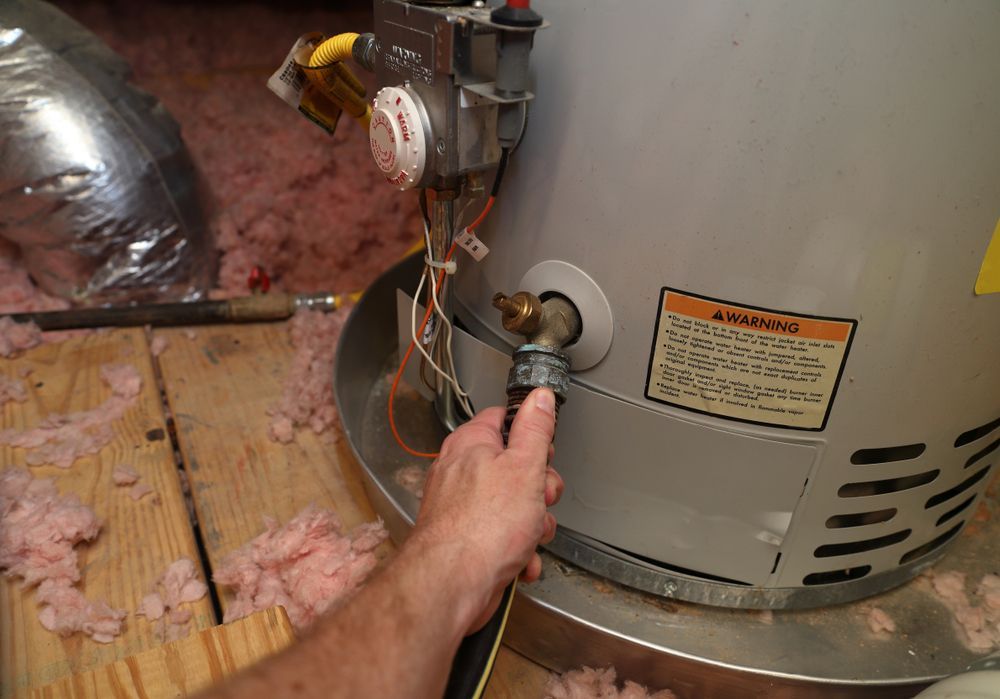
A hot water system is one of the most used features in any home, but it’s also one of the most overlooked — until something goes wrong. Whether you're a first-time homeowner or simply new to the maintenance process, understanding what happens during a service or inspection can take the guesswork out of keeping things running smoothly. Regular checks help prevent unexpected breakdowns, extend the system’s lifespan and keep energy bills in check.
If you’ve been searching for help with hot water systems in Townsville, here's what you can expect from a professional service visit, step by step.
Initial System Assessment
Every service starts with a general inspection to assess the type, age and condition of the hot water system. This helps the technician understand your setup and spot any immediate signs of trouble.
Key steps often include:
- Identifying whether the system is electric, solar or gas
- Checking the age of the unit via serial or model number
- Looking for signs of external damage, corrosion or wear
- Reviewing recent performance or known issues
This overview helps guide the rest of the service and highlights anything that may need urgent attention.
Safety & Compliance Checks
Hot water systems must meet strict safety standards under Queensland regulations. During a service, your technician will inspect key components to ensure everything is compliant and functioning as intended.
Typical safety checks cover:
- Temperature relief valve operation
- Correct pressure settings and release function
- Secure pipe fittings and lagging
- Location and clearance around the unit
This part of the inspection ensures the system is not only efficient but also safe for long-term use.
Temperature & Pressure Testing
Proper water temperature and consistent pressure are vital for comfort and energy efficiency. If the water is too hot, it can be a safety risk; too cold or inconsistent, and it may signal a failing thermostat or valve.
Technicians will typically:
- Measure outlet water temperature
- Test pressure at various fixtures
- Check the mixing valve, if fitted
- Inspect the thermostat and heating element (if accessible)
Any abnormal readings may indicate it’s time for a repair or component replacement.
Visual Inspection for Leaks or Corrosion
Even a slow leak can waste thousands of litres over time and cause damage to your property. Technicians check for moisture, rust or scale around the base of the unit, joints and pipework.
They’ll be looking for:
- Drips from fittings, valves or the tank itself
- Signs of mineral build-up near joints
- Corrosion on exposed metal components
- Water pooling near the base or overflow areas
Early detection of leaks can prevent costly repairs and even help avoid a full system replacement.
Flushing the Tank (If Required)
Sediment naturally builds up inside storage systems over time, especially in areas with hard water. This can affect heating efficiency and reduce the system's lifespan.
Depending on your system type and age, the technician may:
- Drain some or all of the tank to remove sediment
- Flush out build-up from the base of the unit
- Refill and restart the system while checking for leaks
While not always necessary, flushing is a valuable preventative measure when done at the right intervals.
Inspecting Valves & Seals
Hot water systems rely on multiple valves to control pressure, temperature and water flow. If these parts begin to wear, they can leak, jam or stop working altogether.
The technician will typically:
- Inspect the pressure relief valve for wear or blockages
- Test the non-return valve to ensure water is flowing correctly
- Check seals and joints for deterioration or splitting
- Recommend replacements if parts show signs of age or damage
This helps maintain system performance and avoids sudden failures down the track.
Anode Rod Inspection (for Storage Tanks)
Inside many storage tanks is a sacrificial anode rod, designed to attract corrosion and prevent rust from forming on the tank walls. Over time, this rod degrades and needs replacing.
During an inspection, the technician may:
- Remove and inspect the anode if access allows
- Estimate remaining lifespan based on wear
- Recommend replacement if it’s heavily corroded
Changing the anode rod every few years is one of the simplest ways to extend the life of your system.
System Restart & Final Testing
Once all checks and maintenance are complete, the technician will power the unit back up and monitor its operation. This final step ensures everything is running as it should before they leave.
Tasks during restart include:
- Repressurising the system (if flushed)
- Checking for leaks while the unit is heating
- Ensuring all settings have been restored
- Confirming hot water is flowing correctly at fixtures
If anything needs further attention, they’ll discuss options with you before wrapping up.
Recommendations & Service Report
After the service, you'll receive a summary of what was inspected, any issues found and recommendations for future maintenance or upgrades. This report gives peace of mind and a handy record for future servicing.
It might include:
- A list of completed checks and test results
- Any minor adjustments made during the visit
- Suggested parts that may need replacing soon
- Next recommended service date
Holding onto this report makes it easier to track your system’s health over time.
Signs You May Need a Service Sooner
While regular servicing is ideal, sometimes your system might need attention earlier than expected. Knowing what to watch for helps prevent minor problems turning into expensive ones.
Look out for:
- Water that’s too hot, too cold or slow to heat
- A drop in water pressure at hot taps only
- Noisy operation or gurgling from the tank
- Increased energy bills without a clear reason
- Visible rust, scale or pooling water around the unit
If you're experiencing any of these, it's best to call a local technician before the issue worsens.
Contact GSA Group Today
Whether you’ve just moved in or it’s your first time booking a service, we’ll walk you through each step so you know exactly what’s being done and why. With years of experience servicing hot water systems in Townsville, we understand the local water conditions, climate impacts and the importance of fast, reliable support.
If you’ve been searching for help with hot water systems near you, give us a call. Our team is ready to make sure your system is safe, efficient and built to last.