How Long Does A Hot Water System Last?
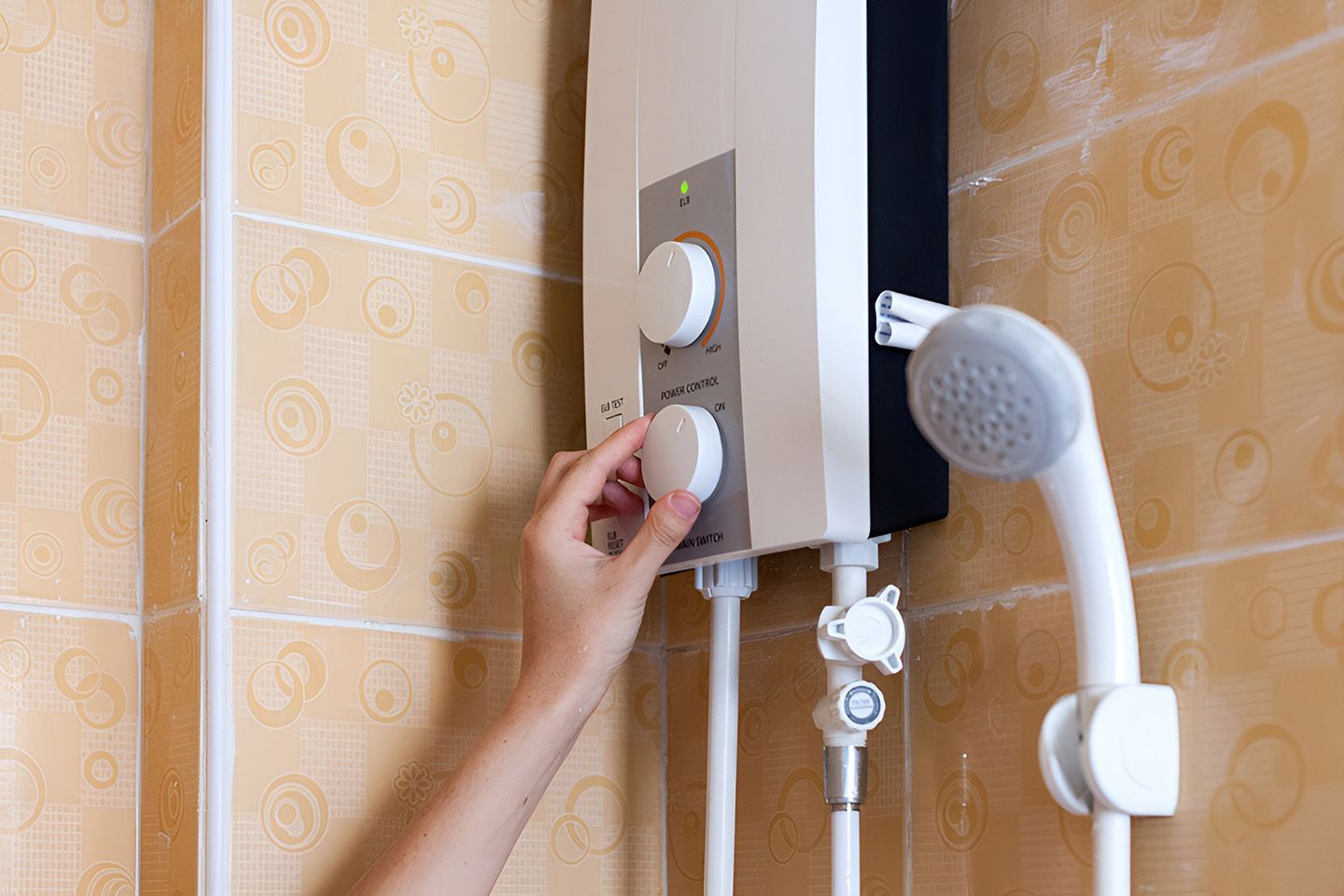
Most hot water systems last between 8 and 15 years, depending on the type of system, the quality of the water running through it and how well it has been maintained. If yours is approaching the decade mark, it pays to know what to look for. For homeowners weighing up hot water systems Townsville-wide, understanding typical lifespans and warning signs can save you from an unexpected cold shower and an emergency replacement at the worst possible time.
This guide covers how long each system type typically lasts, the signs your unit is on the way out, why local conditions matter and how to decide between repairing and replacing.
How Long Do Hot Water Systems Last? (Electric, Gas & Solar Lifespans)
No two systems age the same way, but each type has a typical service life according to industry best practice:
- Electric storage systems: usually 8 to 12 years. The tank is the weak point, as the internal lining and sacrificial anode wear down over time
- Gas storage systems: around 8 to 12 years, with burners and thermocouples often needing attention earlier
- Gas continuous flow (instantaneous) systems: often 15 to 20 years, as there is no storage tank to corrode
- Solar hot water systems: panels can last 15 to 20 years, though the storage tank and booster components generally wear out sooner
- Heat pump systems: typically 10 to 15 years with regular servicing
These figures assume reasonable water quality and routine maintenance. A neglected system in a harsh environment can fail years earlier, while a well-maintained unit with a replaced anode can push past the average. As an example, an electric storage tank that gets its sacrificial anode swapped around the five-year mark will often outlast an identical unit next door that never receives a service.
Signs Your Hot Water System Is Nearing the End of Its Life
Hot water systems rarely fail without warning. The signs tend to appear gradually, which gives you time to plan a replacement rather than scramble for one. Keep an eye out for:
- Rusty or discoloured water coming from the hot taps, which often points to corrosion inside the tank
- Water pooling around the base of the unit, a sign the tank may have split or a valve is failing
- Rumbling, popping or banging noises caused by sediment build-up on the heating element or tank base
- Inconsistent water temperature, or hot water that runs out faster than it used to
- Rising energy bills without a change in household usage, as ageing systems work harder to heat the same amount of water
One or two of these symptoms in a newer system may only need a repair. The same symptoms in a system past the ten-year mark usually signal the beginning of the end. A leaking tank in particular is rarely worth fixing, as the corrosion causing the leak has typically spread through the tank lining.
Why Do Townsville Conditions Affect Hot Water System Lifespan?
Local conditions play a bigger role in system lifespan than most homeowners realise. In Townsville, three factors work against your hot water system.
The first is water quality. Harder water carries more dissolved minerals, and those minerals settle as sediment inside storage tanks and on heating elements. Sediment forces the system to work harder, accelerates corrosion and shortens the life of both the element and the tank.
The second is heat and humidity. External units cop year-round sun exposure and the wear that comes with a tropical climate. Valves, seals and external fittings degrade faster than they would in cooler regions, and coastal air can accelerate corrosion on outdoor components.
The third is usage patterns. Households here often run high volumes of hot water through wet-season laundry loads and daily showers for the whole family. Higher throughput means more heating cycles, and more heating cycles mean faster wear on tanks and elements. Regular servicing, including anode checks and sediment flushing, helps offset all three factors and keeps your system running closer to the upper end of its expected lifespan.
Should You Repair or Replace? A Practical Checklist for Townsville Homeowners
When your system starts playing up, the repair-or-replace question comes down to a few practical considerations. Run through this checklist before making the call:
- Check the age. If the system is under eight years old, a repair usually makes sense. Past ten years, replacement is often the smarter spend.
- Weigh the repair cost against replacement. A common rule of thumb is that if a repair costs more than half the price of a new system, replacement offers better value.
- Look at the fault itself. Failed valves, thermostats and elements are repairable. A corroded or leaking tank is not.
- Consider your energy bills. Newer systems, particularly heat pumps and continuous flow units, run more efficiently. If your bills have crept up, a replacement may pay for itself over time.
- Think about household needs. If your family has grown since the system was installed, an upgrade to a larger capacity or a more efficient type could solve two problems at once.
- Factor in warranty. A system still under warranty should always be assessed before you pay for anything out of pocket.
If your system fails the age test and the fault involves the tank, replacement is almost always the right move. Repairing an old tank buys months, not years, and you will likely pay for the same call-out again soon.
When Should You Get Professional Advice on Your Hot Water System?
The best time to get advice is before the system fails completely. A licensed plumber can inspect the anode, check the valves, flush sediment and give you an honest read on how much life is left in the unit. That assessment turns an emergency replacement into a planned one, which means you can compare system types, sizes and running costs rather than accepting whatever can be installed fastest.
Professional advice matters most when you are switching system types. Moving from electric storage to a heat pump or continuous flow unit involves different plumbing, electrical and positioning requirements, and the right choice depends on your household size, roof space, budget and energy tariff. A qualified tradesperson can match the system to your circumstances rather than simply swapping like for like.
We at GSA Groups help Townsville homeowners get the most out of their hot water, whether that means servicing an existing unit, diagnosing a fault or installing a new system suited to the demands of the dry tropics. Local conditions here are tough on tanks and components, so a system chosen and maintained with Townsville in mind will always outlast one that is not. If your unit is showing its age or you want a professional opinion before summer demand kicks in, get in touch with our team to book an inspection and keep reliable hot water systems Townsville households can count on.